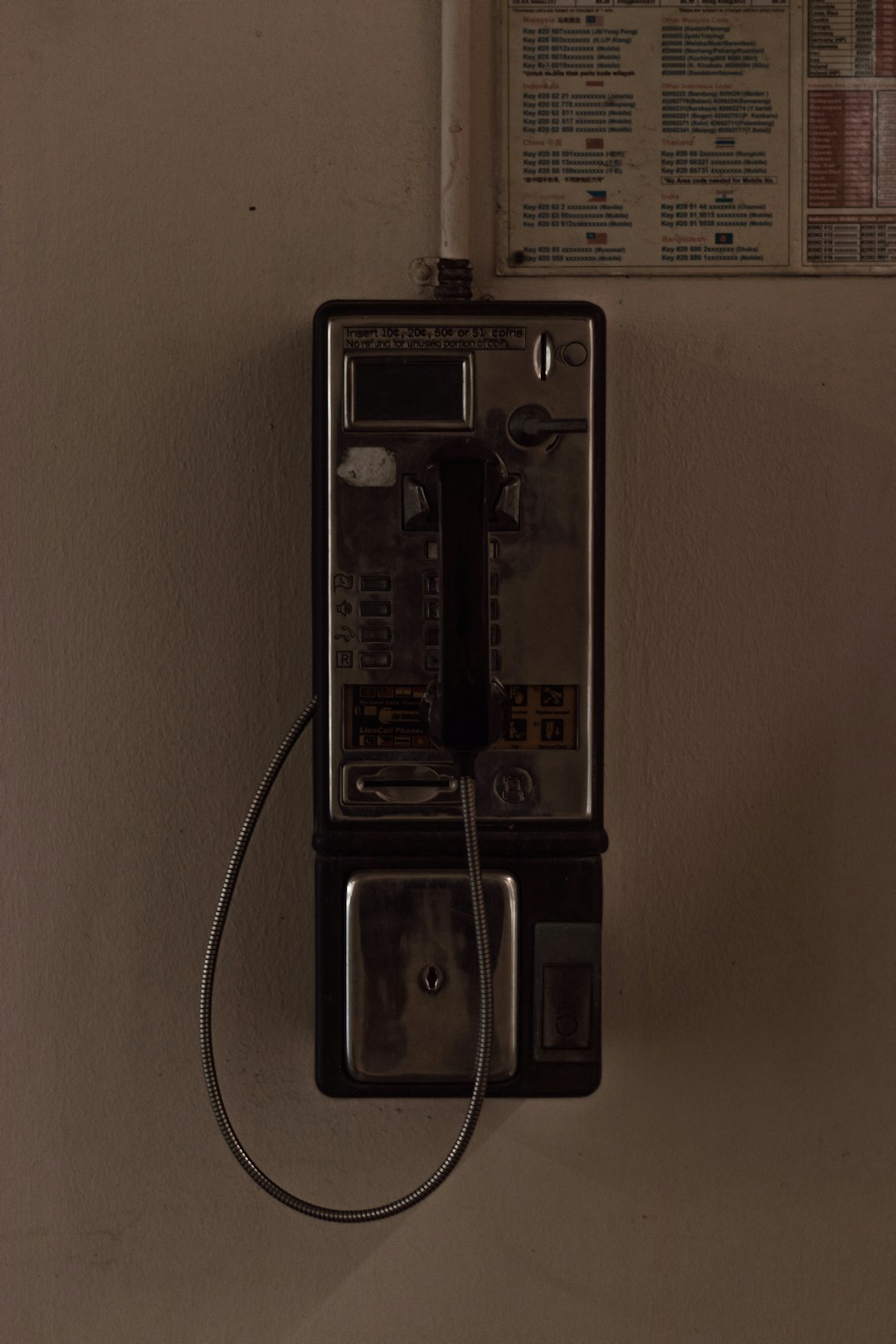
West Virginia consumers have robust legal protections against abusive debt collection practices, governed by the Fair Debt Collection Practices Act (FDCPA) and state regulations. Consulting a specialized debt collector attorney in West Virginia is crucial to navigate these rules, protect rights, and ensure debt collectors adhere to fair and ethical standards, including limited call times and bans on harassment. Take immediate action if rights are infringed; gather evidence and seek legal advice from a qualified attorney.
“In the intricate dance between debtors and debt collectors, understanding your rights is crucial. This article serves as a comprehensive guide for individuals navigating the landscape of debt collection in West Virginia. We explore the state’s regulations surrounding phone calls from debt collectors, ensuring you’re aware of your protections. From the legal framework governing these practices to your rights as a debtor, we delve into ‘West Virginia Laws Governing Debt Collectors’ and offer practical advice on ‘What to Do If You Believe Your Rights Are Violated’. Find out how a debt collector attorney in West Virginia can assist you in upholding your rights.”
West Virginia Laws Governing Debt Collectors

In West Virginia, debt collectors must adhere to strict regulations set forth by state law to ensure fair and ethical collection practices. The West Virginia Debt Collection Act outlines the rights and responsibilities of both debtors and creditors, providing a framework for responsible debt collection. This act restricts the time of day that debt collectors can contact individuals, limiting calls to between 8 am and 9 pm, Monday through Saturday. Additionally, it prohibits abusive or harassing behavior, including threatening language or false statements.
A debt collector Attorney in West Virginia is crucial if you find yourself in a dispute with a debt collection agency. These attorneys specialize in navigating the complex regulations surrounding debt collection, ensuring that your rights are protected and that collectors comply with state laws. They can guide you through the process of challenging inaccurate debts, stopping unfair practices, and achieving a resolution that aligns with West Virginia’s legal framework.
When and How Often Can Collectors Call?

Legal Rights of Debtors in West Virginia

In West Virginia, debtors have several legal rights when dealing with debt collectors. According to the Fair Debt Collection Practices Act (FDCPA), a debt collector cannot call you at unreasonable times or places, use abusive or obscene language, or falsely threaten legal action. They must also provide identification and state the amount of money they are attempting to collect. Debtors have the right to request verification of the debt, contest its validity, and even demand that the debt collector stop contacting them if they feel harassed. Consulting with a debt collector Attorney West Virginia can help ensure these rights are respected and provide guidance on how to proceed in case of any violations.
Debtors should also be aware of their state-specific laws, such as those outlined by the West Virginia Department of Commerce’s Division of Securities. These regulations aim to protect consumers from fraudulent or unfair practices. Knowing and understanding these legal protections is crucial for anyone facing debt collection efforts, empowering them to navigate the process with confidence and assertiveness.
What to Do If You Believe Your Rights Are Violated

If you believe your rights as a consumer are being violated by a debt collector in West Virginia, it’s crucial to take action. The first step is to gather evidence of the calls, including dates, times, and any communications that outline what was said during the interactions. Note if the collectors are calling at unreasonable hours or using abusive language.
Next, consider consulting with a qualified debt collector attorney in West Virginia who can provide legal guidance based on state regulations. They can help you understand your rights under the Fair Debt Collection Practices Act (FDCPA) and determine if the debt collector has engaged in any illegal activities. This may involve sending a cease and desist letter or filing a formal complaint with regulatory agencies to stop the harassing calls and potentially seek damages for any emotional distress caused by the violations.